
Introduction
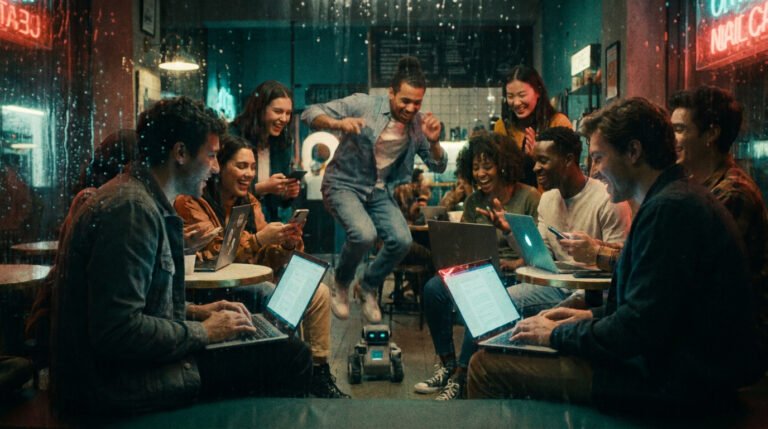
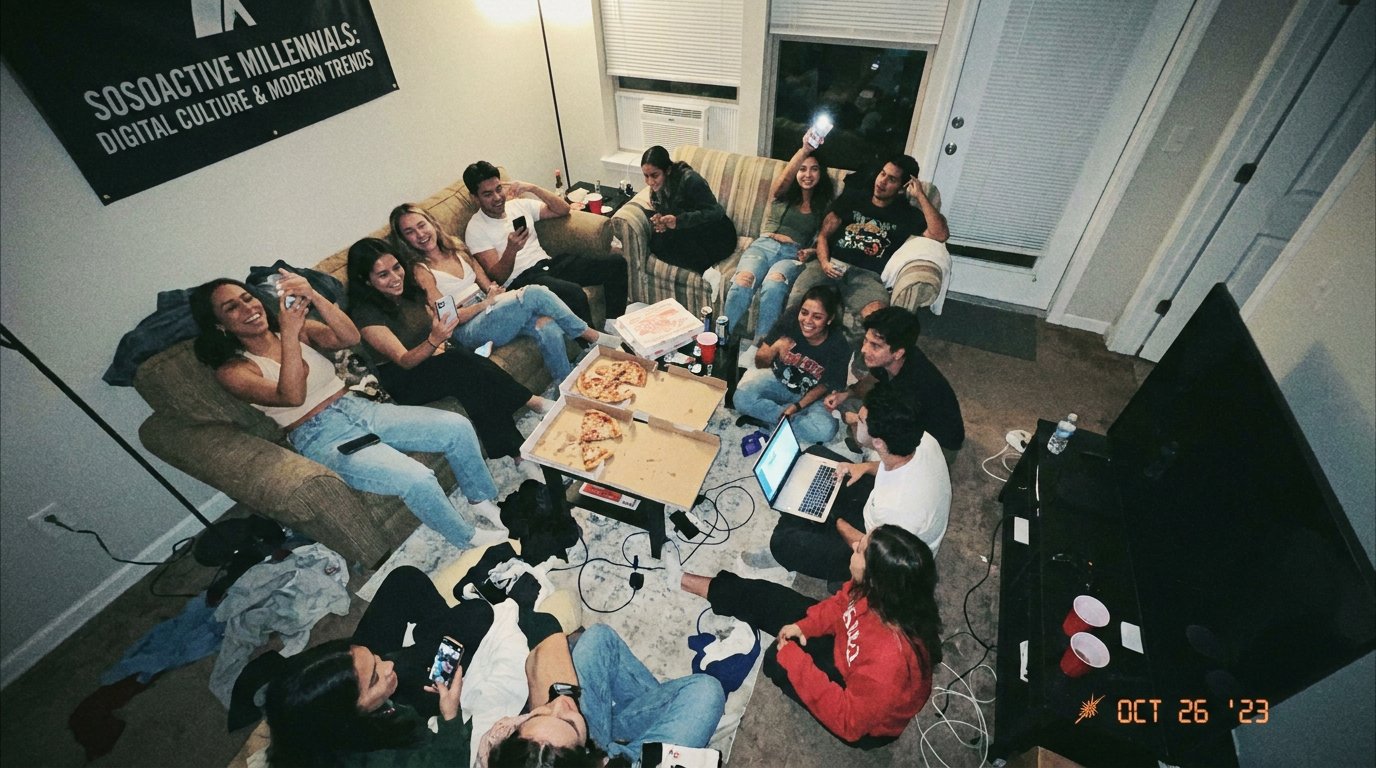
Millennials have grown alongside some of the biggest changes in technology and communication. Many experienced life before smartphones and social media became part of everyday life, while also adapting to an increasingly digital world.
Today, millennials are active across digital platforms, online communities, workplaces and changing consumer markets. Their habits and expectations continue to influence how businesses create products, how media reaches audiences and how people communicate.
Highlight: Understanding millennials is not simply about age. It is about recognizing how technology, culture, work, media and lifestyle changes have influenced a generation.
Sosoactive explores these changing patterns through digital culture, media, wellness, business and modern lifestyle topics.
Who Are Millennials?
Millennials are commonly associated with people born during the 1980s and 1990s, although exact birth-year definitions can vary between researchers and organizations.
Rather than treating millennials as one identical group, it is more useful to understand the different experiences within the generation.
A millennial who grew up with limited internet access may have a very different digital experience from someone who had access to computers and smartphones from an early age.
Factors such as location, income, education, career and family circumstances can also influence individual behavior.
How Technology Has Changed Millennial Life
Technology has played a major role in the lives of millennials.
Many have experienced the transition from:
- Printed newspapers to online news
- Landline phones to smartphones
- Physical stores to online shopping
- CDs and DVDs to streaming
- Email to instant messaging and social platforms
- Traditional advertising to personalized digital content
This transition has made millennials particularly interesting when studying changing consumer and media behavior.
Digital tools are now commonly used for communication, entertainment, learning, shopping and professional activities.
Millennials and Social Media
Social media has changed how people communicate and discover information.
For millennials, social platforms can serve several purposes at the same time. They can be used to maintain relationships, follow interests, discover products, consume news and participate in online communities.
However, social media habits are not identical among all millennials.
Some users prefer visual content, while others prefer articles, videos, podcasts or private communities.
For brands and publishers, this means that understanding an audience is more important than simply being present on every platform.
What Makes Digital Content Useful?
Useful content generally answers a question, solves a problem or provides information that an audience can apply.
For example, a millennial interested in fitness may search for a practical workout routine rather than simply wanting promotional content.
Likewise, someone interested in finance may prefer an explanation of a financial topic with context instead of a headline without supporting information.
Millennials and News Consumption
The way people consume news has changed significantly.
Millennials can access news through websites, mobile applications, social media, newsletters, podcasts, video platforms and traditional media.
This creates both opportunities and challenges.
The advantage is easy access to information. The challenge is determining which information is reliable.
Readers should consider the source, publication date, supporting evidence and context before accepting important claims.
This is particularly important when reading financial, health or business information.
Millennials and Work
Work culture has also changed considerably.
Digital communication allows many professionals to collaborate through online tools rather than relying entirely on physical offices.
Millennials have participated in this transformation throughout their careers, from early workplace email systems to modern collaboration platforms.
The modern workplace may include:
- Remote work
- Hybrid work
- Digital collaboration
- Online learning
- Freelancing
- Digital entrepreneurship
- Flexible communication
These developments continue to influence expectations around careers and professional development.
Millennials, Fitness and Wellness
Health and wellness are important parts of modern lifestyle discussions.
Digital technology has made it easier for people to access workout videos, fitness applications, wearable devices, meal-planning information and wellness content.
For millennials, digital resources can make healthy habits more accessible, especially for people with busy schedules.
However, online information should not replace professional medical advice when someone has a health concern.
A balanced approach can include regular physical activity, nutritious food choices, sufficient rest and attention to mental wellbeing.
Millennials and Consumer Behavior
Digital technology has also influenced shopping behavior.
Consumers can compare products, read reviews, watch demonstrations and research companies before making purchasing decisions.
This means businesses need to provide useful information rather than relying only on advertising.
Clear product information, honest reviews, helpful content and a good online experience can help consumers make better-informed decisions.
How Millennials Influence Modern Culture
Millennials have participated in major cultural changes involving technology, entertainment and communication.
Music, television, gaming, online communities, social platforms and streaming services have all changed how culture is created and shared.
A trend can now move quickly from a small online community to a much larger audience.
This creates a continuous interaction between consumers and creators.
People are no longer only receiving content. They can comment, share, remix, review and create their own responses.
The Role of Sosoactive
Sosoactive can explore millennial-related topics through several connected areas.
Digital engagement helps explain how audiences interact online. Digital growth examines how businesses and publishers reach people. Traditional media and digital media provide context for changing information habits.
Fitness, health and mindfulness can also address lifestyle interests relevant to modern audiences.
This broader approach helps connect technology and lifestyle rather than treating them as completely separate subjects.
How Businesses Can Better Reach Millennials
Businesses trying to connect with millennial audiences should focus on usefulness and authenticity.
Some practical approaches include:
- Create content that answers real questions.
- Make websites easy to use on mobile devices.
- Provide clear and transparent information.
- Use different content formats.
- Encourage meaningful engagement.
- Avoid excessive promotional messaging.
- Listen to audience feedback.
- Keep information updated.
The goal should be to build a relationship with an audience instead of simply generating short-term attention.
Common Mistakes When Targeting Millennials
One major mistake is assuming every millennial behaves the same way.
Other mistakes include:
- Using outdated stereotypes
- Creating content without research
- Focusing only on advertising
- Ignoring mobile users
- Publishing low-quality information
- Assuming social media is the only communication channel
Good audience research is more useful than broad assumptions.
Frequently Asked Questions
What are millennials?
Millennials are generally people associated with birth years in the 1980s and 1990s, although definitions vary.
How has technology affected millennials?
Technology has influenced communication, entertainment, shopping, work, education and access to information.
Do all millennials use social media in the same way?
No. Digital behavior varies significantly between individuals based on interests, location, profession, age and personal preferences.
How do millennials consume news?
They may use websites, social media, mobile apps, newsletters, podcasts, video platforms and traditional media.
Why are millennials important to businesses?
Millennials represent a large consumer and professional audience whose digital habits have influenced modern business and media strategies.
Conclusion
Millennials have experienced an important period of technological and cultural change. From the growth of the internet to smartphones and social media, digital transformation has influenced communication, work, entertainment and consumer behavior.
The most useful way to understand millennials is to avoid stereotypes and focus on real changes in technology, culture and lifestyle.
Through topics covering digital engagement, media, fitness, health, business and modern culture, Sosoactive can provide useful perspectives for understanding these continuing changes.